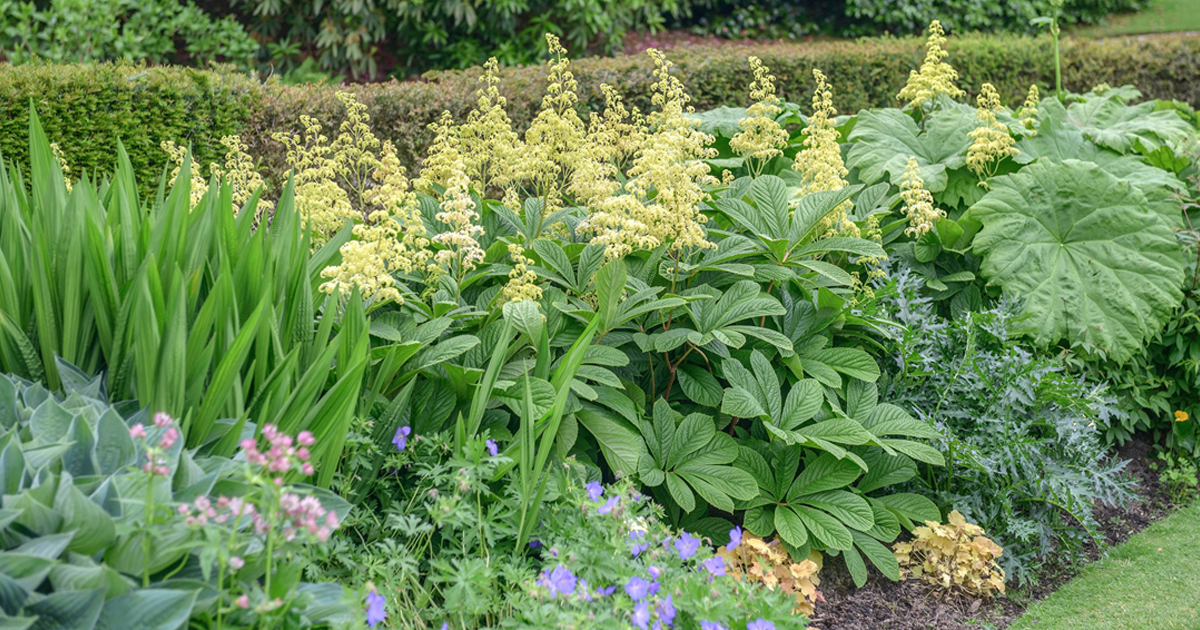
Sweet flag (Acorus calamus) is a hardy, grass-like perennial which enjoys attractive, fragrant foliage. Sweet flag adds versatility to landscaping while being used in wide applications around ponds, along water edges, and rain gardens. Sweet flag adds beauty, natural filtration, and erosion control to any water garden. Here’s everything you…
Water plants
-
-
Uses For Sweet Flag Plants – Learn When And How To Harvest Sweet Flag
Sweet flag has been used to ornament, medicate, and cook people for centuries since it is natively found within Asia and parts of Europe; it has spread far and wide into wetlands, shores of streams and shallow ponds thriving there. Having sword-like and aromatic rhizomes, these plants are known for…
-
Aquatic Weed Control: Tips For Controlling Weeds In Water Gardens
Water gardens are always serene, lovely, and life-giving water environments for different types of fish and other microorganisms. Aquatic weeds have the potential of overgrowing in a garden if not effectively controlled. Eventually, they’ll interfere with your water garden ecosystem, kill water animals, and ruin its beautiful view. Managing aquatic…
-
The Best Moisture-Loving Plants For Wet Areas
If you have a garden or property with consistently wet soil, you may feel limited in your plant choices. However, wet areas present a unique opportunity to cultivate moisture-loving plants that thrive in such conditions. Whether you’re dealing with a low-lying spot in your yard, a naturally occurring wetland, or…
-
Tips On How To Control Cattails For The Pond
Cattails, scientifically referred to as Typha, are tall, reed-like plants that cover large areas of wetlands, marshes, and along the edges of ponds. Typha can be of advantage to an aquatic ecosystem in providing habitat for wildlife and enhancing water quality, but they also may become invasive and crowd a…
-
Container Cattail Care: Tips For Growing Cattails In Pots
This tall, stately plant with its distinctive brown seed head is a staple of wetland ecosystems. Although it thrives in marshy situations, it can be grown quite easily in containers. If you do not have the space for a natural pond or wetland area, consider using cattails with container growing…