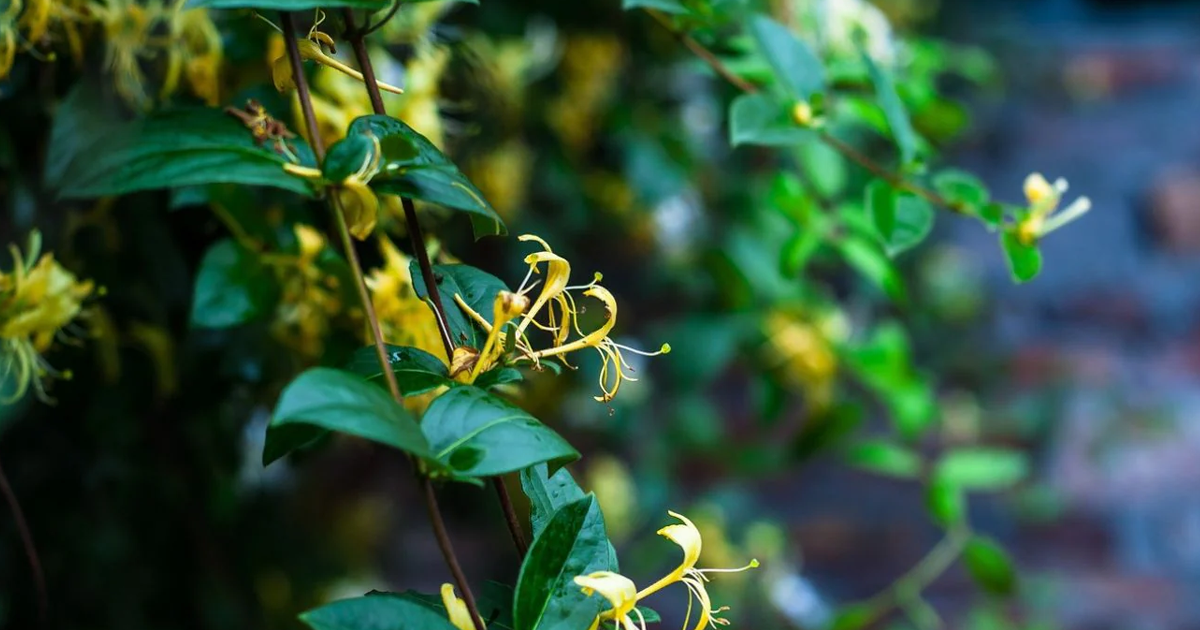
Introduction Climbing Hydrangea belongs to the subspecies of Hydrangea anomala subsp. of petiolaris and is a versatile, beautiful addition to any garden. It makes magical walls, fences, and trellises with its lush foliage and stunning white blooms. This guide walks you through everything to plant, grow, and care for a…
-
-
Poison Oak Removal: Learn How To Get Rid Of Poison Oak Plants
Toxicodendron diversilobum, popularly known as poison oak, is a very common North American plant responsible for most cases of skin irritation and allergic reactions from contact. The planning and execution of its eradication and management are associated with risks due to its toxic properties. Presented below is a step-by-step guide…
-
Boxelder Tree Information – Learn About Boxelder Maple Trees
Boxelder maple trees, or Manitoba maple, ash-leaved maple (Acer negundo), are very odd members of the maple family. These native North American trees have long been viewed with a certain level of admiration and suspicion due to their ability to grow quickly, adapt easily, and based on other unique features.…
-
Virginia Creeper Maintenance: Growing Info And Virginia Creeper Plant Care
A vigorous, resistant climber, native to North America, with lovely foliage covering large areas quickly, that would be great for any type of coverage you would like to accomplish, be it on a wall, a fence, or even a trellis, or as a ground cover. This article will show in…
-
Why You Should Never Burn Poison Ivy
While burning the poison ivy seems like a very quick way to be rid of this horrible plant, in reality, it is very dangerous and quite harmful to health. Any person battling such invasive plants should realize the dangers of burning poison ivy. This article explains reasons you should not…
-
Garden Plant Irritants: What Plants Irritate The Skin And How To Avoid Them
Gardening is very rewarding and enjoyable. It can bring us closer to nature and fulfill a therapeutic release for many. However, is it not important to take into regard that certain plants, which are beautiful in appearance and even at times beneficial, can become a hazard just by the touch…
-
Poison Ivy Control: How To Get Rid Of Poison Ivy
Understanding Poison Ivy Poison ivy, scientifically named as Toxicodendron radicans, is a very common plant in North America. It contains an oily chemical called urushiol, which causes an itchy rash when the plant comes in contact with the skin. It is identified by the clusters of three leaves and it…
-
Why Is My Aloe Plant Turning Brown?
Even though some of the causes of developing brown spots or entirely brown leaves can be due to the low-maintenance nature of the aloe plant or even its air-purifying characteristics and soothing gel inside the leaves, one should know that despite being tagged as an easy-to-maintain plant, an aloe plant…
-
What Is Full Sun And Tips For Full Sun Landscaping
Knowing Full Sun When landscaping or designing a garden, understanding what “full sun” really means is critical. In short, full sun simply means the area receives at least six to eight hours of sunlight each day. That is one very critical requirement of light needed by so many plants—mostly those…
-
Succulents For Beginners – Basic Succulent Plant Care Guide
They just so happen to be among the most popular plants of any novice and professional gardener. Unique shapes, vibrant colors, and very easy care make them perfect for any interior and exterior setting. This guide will arm you with all the necessary knowledge on the care of succulents so…
-
No-Till Cover Crops: How To Grow Healthier Soil Over Winter
Introduction No-till agriculture is the most friendly system to soil without its disturbance; this therefore conserve soil structure and is healthy. Among one of the key practices used in no-till agriculture is cover crops. These species between seasons offer a shield for soil protection and serves as a planting blanket.…
-
Proper Tillage Practices: Problems With Tilling Soil Too Much
Actually, tillage is one of the conventional agricultural practices whereby soil is normally turned over for preparation of different crops. As a matter of fact, it had been the farming mainstay for several hundred years because its role in the preparation of the seedbed, weed control, and incorporation of organic…
-
The Importance Of Phosphorus In Plant Growth
Phosphorus is among the indispensable macronutrient elements demanded by plants in the process of their growth. It affects the course of large physiological and biochemical processes and thus impacts everything from root development to the processes of flower and fruit development. Understanding how phosphorous is related to the growth of…
-
Understanding Nitrogen Requirements For Plants
Nitrogen is one of the elements utilized by the plant in its growth and development. It is the major constituent of amino acids, proteins, nucleic acids, and chlorophyll; hence, it has direct effects on photosynthesis and the general state of the plant. Nitrogen management of plants can therefore go a…
-
Cover Crops For Weed Control: When To Plant Cover Crops To Suppress Weeds
Cover cropping is an important component of sustainable agriculture and offers benefits ranging from soil health and improved biodiversity to, more importantly, weed suppression. Among many other challenges, weeds are pronounced competitors in farming and gardening systems, since they deprive main crops of their requisite growth needs: land, nutrients, water,…